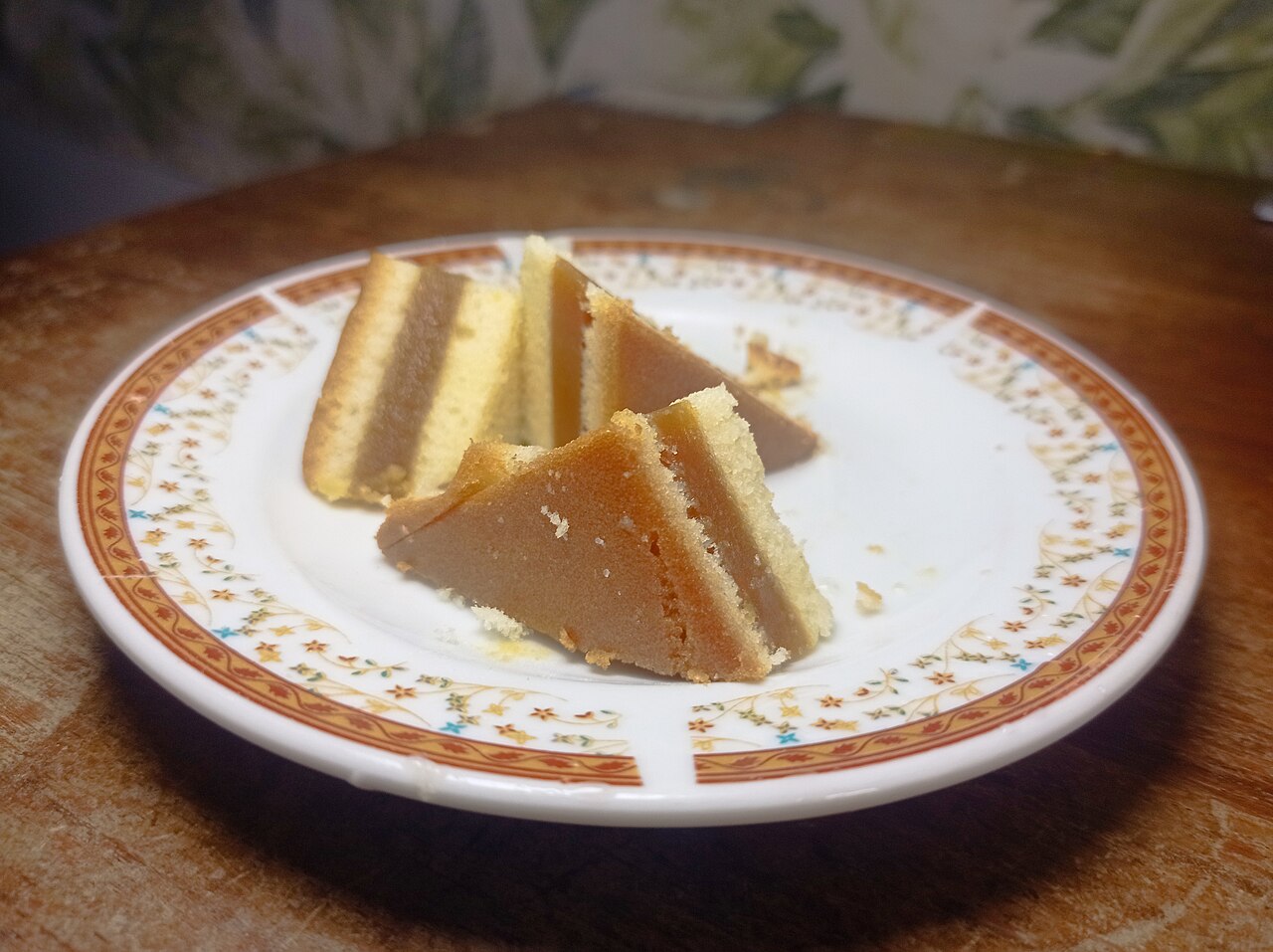
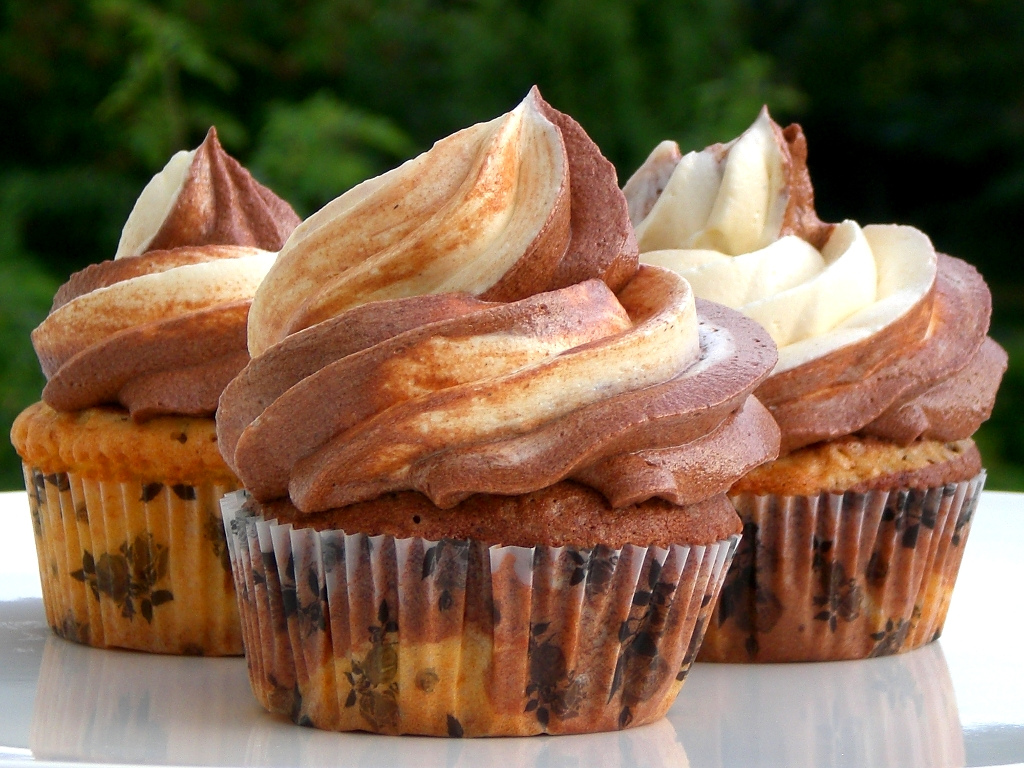
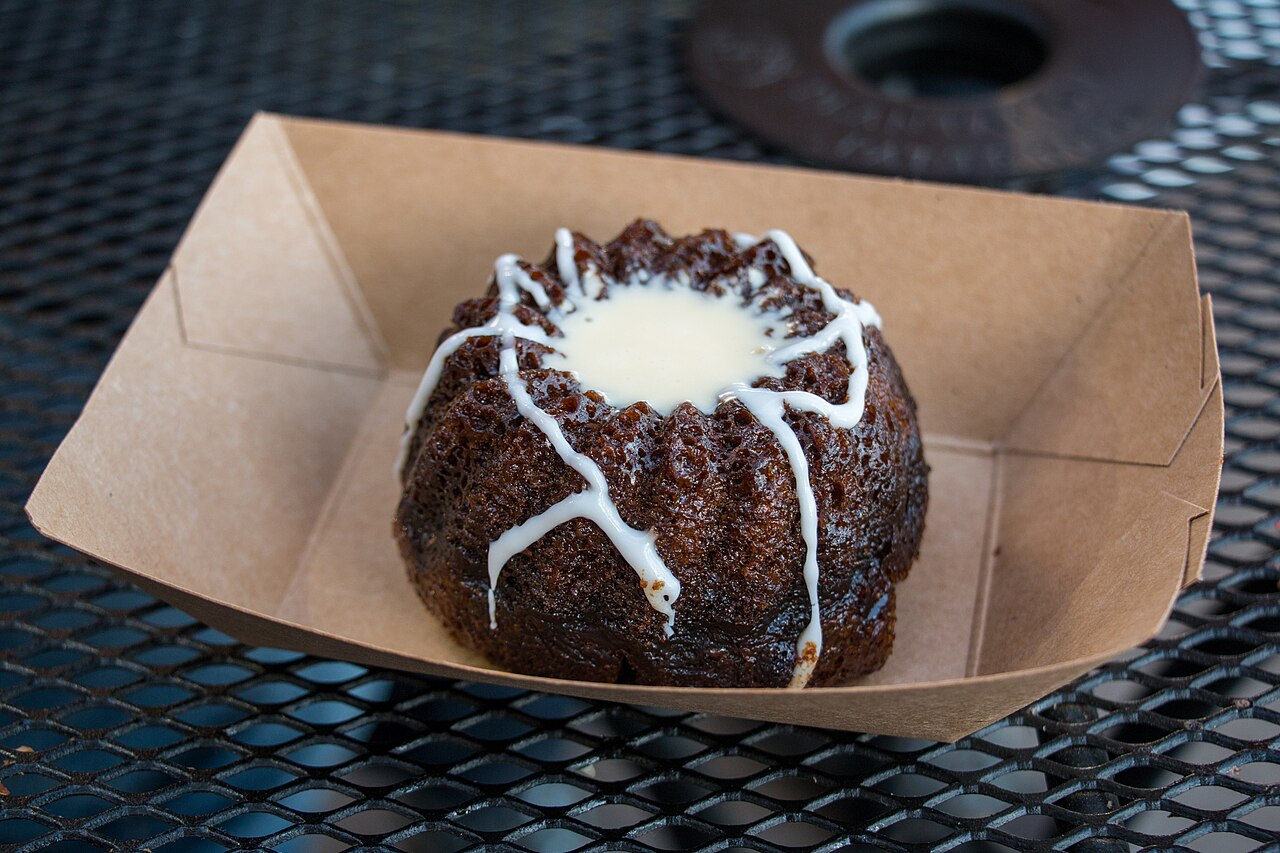
Rasa shares Nurain Ain’s recipe for Kek Butter Kampung, or kampung butter cake, with two preparation methods. Both use similar basic ingredients and bake at 170°C with top and bottom heat; one method uses room-temperature butter, while the other uses melted butter and ovalette.
Ingredients
- 250g fine sugar
- 250g butter, at room temperature
- 5 Grade A eggs
- 250g wheat flour or self-raising flour, sifted
- 1 teaspoon baking powder, sifted
- 2 tablespoons evaporated milk
- A little vanilla essence
- For Technique 2: an additional 1 tablespoon ovalette
If using self-raising flour, account for the baking powder already in it to avoid adding too much raising agent. The recipe also specifies ovalette for Technique 2.
Technique 1: Room-temperature butter
Beat the sugar, butter and vanilla essence until pale and fluffy. Add the eggs one at a time, beating until combined. Add the sifted ingredients and beat slowly. Once combined, add the evaporated milk and beat on high speed for 10 seconds, then stop.
Grease an 8- or 9-inch cake pan with butter, or line it with baking paper. Pour in the batter and bake at 170°C using top and bottom heat until cooked.
Use butter at room temperature so it is easier to beat with the sugar. Beating them until fluffy helps make the batter lighter. Once the flour goes in, mix slowly and avoid overbeating.
Technique 2: Melted butter and ovalette
Melt the butter and set it aside. Put all the ingredients except the melted butter into a mixing bowl, then add 1 tablespoon of ovalette. Beat, starting at low speed and increasing to high, until the mixture is pale and risen.
Stop the mixer and add the melted butter. Fold it in until evenly combined. Pour the batter into a greased or baking-paper-lined pan and bake at 170°C using top and bottom heat until cooked.
Let the melted butter cool until it is not too hot before adding it. Fold carefully so the butter is evenly incorporated and does not settle at the bottom of the bowl. Ovalette helps stabilise the mixture as it is beaten until risen.
Tips for a soft, risen cake
For Technique 1, butter should be at room temperature: butter that is too hard is difficult to beat with sugar, while butter that is too soft can affect the batter’s ability to trap air. For Technique 2, let melted butter become lukewarm before mixing it in.
With Technique 1, add the eggs one by one and beat until combined. Room-temperature eggs are easier to incorporate with the butter and other ingredients.
After adding flour, mix only until the ingredients are combined. Overbeating at this stage can make the cake denser and less soft.
Preheat the oven so its temperature is stable when the pan goes in. Baking time may vary with the oven, pan size and batter thickness. To check if the cake is cooked, insert a clean skewer into the centre. It is usually ready if the skewer comes out without wet batter. Avoid opening the oven door too early, as a sudden temperature change can make the cake sink.
The two methods differ in how the batter is made: Technique 1 beats butter and sugar together before adding the eggs and dry ingredients, while Technique 2 beats the ingredients with ovalette before folding in melted butter.
Storing the cake
Let the cake cool before cutting or storing it. If eating it soon, keep it in a covered container at room temperature in a place that is not too hot or humid. For longer storage, wrap it securely and put it in the refrigerator. Let it sit at room temperature for a while before serving so it softens. It can also be cut into smaller portions for serving or packing.
The cake can be served with tea or coffee, shared with family or offered to guests. Rasa credits Nurain Ain for the recipe and photo.